Over the years of rat breeding and owning I have observed and learned so much about these beautiful little creatures. Here are some things that may help identify or help you understand your new little buddy.
By now we all know that rats do much better in life with another rat buddy to share it with. Most of the time rats are more then willing to have another friend join the family. However, when they get a little older (6-14 months) they can sometimes forget that friends are good. Their hormones run a bit more rapid giving them mixed feeling about a new roommate. Alpha's of the cage tend to be the harder to win over. Here are hopefully a few idea's to help your new furbabies actually learn to like each-other :)
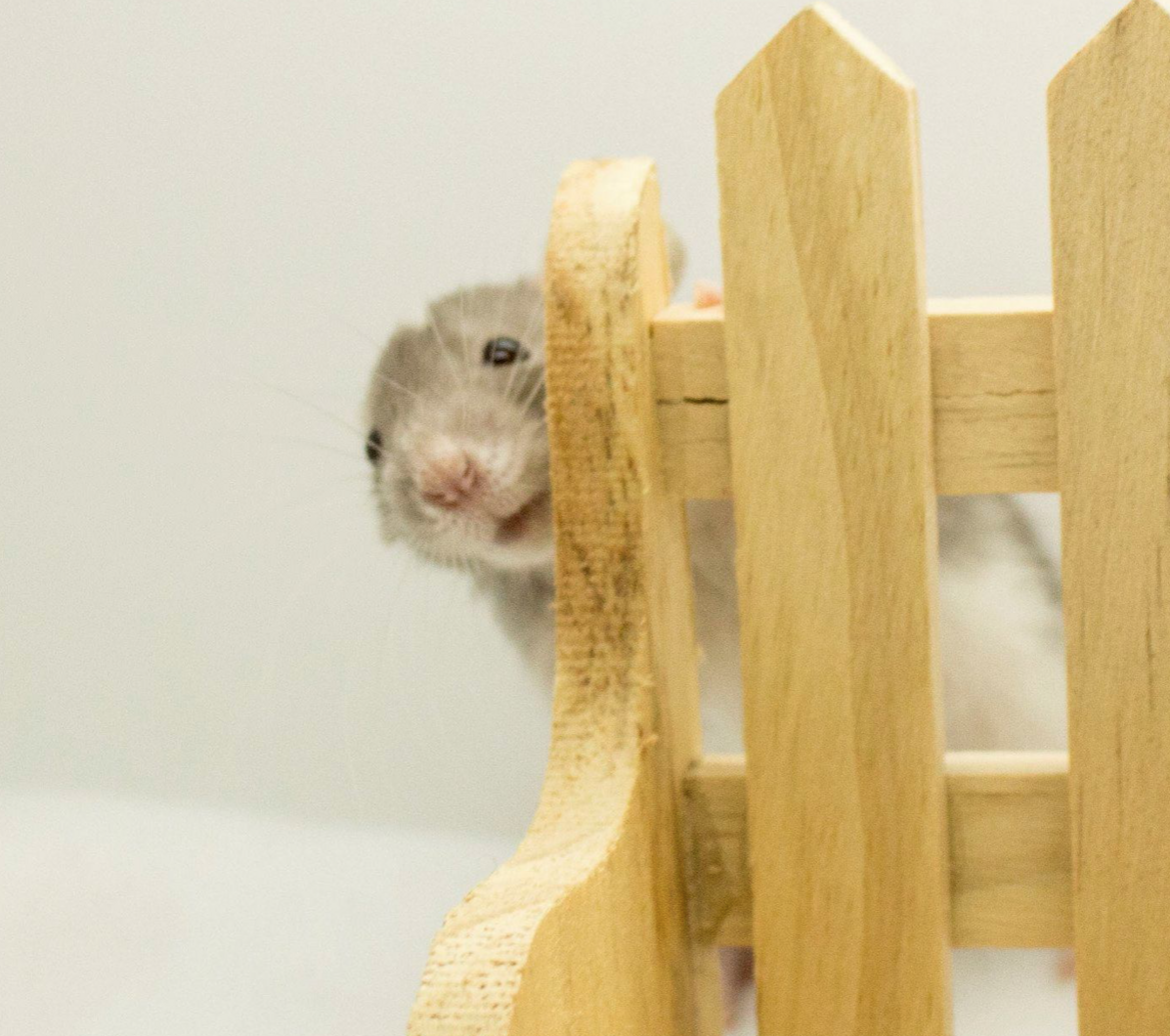
First things first, always quarantine your new rat. Give the rat its own temp. cage. Place this cage near the other rats cage. Let this cage be as close to the other rats cage but far enough away that the rats cannot grab each-others limps and tails. Keeping the new rat in its cage a few days, near the other rat.
Next, take the rats and switch their cages. Let the new rat into the bigger of the cages and the old rats into the smaller cage for a few days.
-
I like to give the rats a bath - yes they hate it but a quick baby shampoo bath leaves them smelling the same-
-
Introduce: Take your bathtub (no water) place a towel at the bottom a couple clean hides or toys. Place both rats together. So long as they are getting along together then let them hang out for a good 30 mins there. Give them treats for playing well together. If at any time these rats go into a silent roll and bob separate them immediately . Give them a few days and try over again. Sometimes introductions can go smoothly others it may take some time. Once you can trust them, go ahead and let them hang out while you clean and sterilize the cage you plan to have them living together in. Make sure its completely clean and no smells of each-other.
-
That's it! Hopefully things go smoothly!!
Behaviors you may see during introductions: 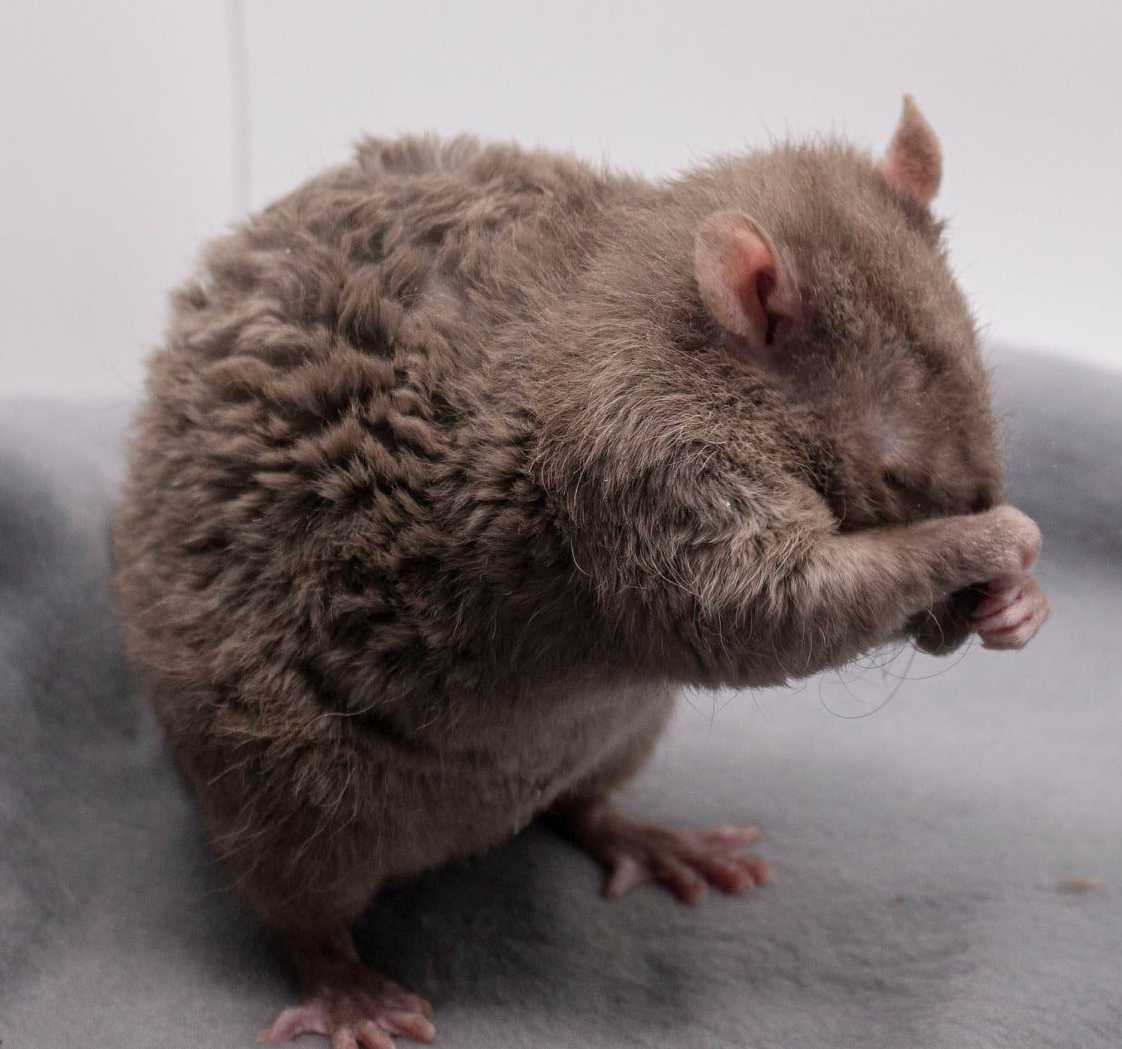
- Sniffing: Rats like dogs use their noses a lot. The alpha rat will tend to sniff a bit more aggressive. This can include forcefully using their hands to push them around and sniff.
-
Squeaking: Rats make a whole variety of vocalizations, including peeps, chirps, squeaks, and shrieks. As a general rule, audible vocalizations are signs of protest or stress. Rats make a very high pitched sound associated with pleasure we cant hear.
-
Hissing: A rat may hiss when they are cornered or asking the rat to leave them alone they do not want to fight. A lot of times this if followed but a mouth open to show the teeth. Normally a response to rump pushing.
-
Rump Pushing: Rats will tend to side push with their rump, as a way to start something with the other rat.
-
Boxing: Rats will at some time or another box. In high intensity boxing the rats stand erect on their hind feet and rapidly push, paw, and grab at each other
-
Bruxing: This is a fun one, its chittering or grinding of the teeth. this is a happy trance your rat may do when he/she is very content.
-
Boggling: Eyeball vibrates rapidly in and out of the socket, its is rather funny looking. When bruxing is intense, the contractions of the masseter vibrate the eye in and out of the socket in time with the incisor grinding. Usually considered to indicate pleasure and contentment.
-
Heat: Females can go into heat every 4-6 days. Females will do short hops, and their ears my wiggle. They will arch their back briefly.
Trust training, is good for a shy rat (or owner) that may need a little help bonding with their new furry friend.